
Key Takeaways
- Variations in caffeine levels
- Financial importance of Arabica beans
- Financial importance of Robusta beans
- Farming methods and techniques
Caffeine Content Differences
Ah, the enchanting world of coffee! At its core lie two principal species: Arabica and Robusta. These beans, though both beloved by many, dance to distinctly different rhythms when it comes to caffeine content. Picture this: Arabica beans, with their gentle demeanor, harbor less caffeine compared to their bolder counterpart, Robusta. It’s no wonder that aficionados often gravitate towards the silky smoothness of Arabica's flavor profile.
Now let’s delve deeper into the robust realm of Robusta—this bean packs a punch! With nearly double the caffeine of its Arabica sibling, it struts forth with a stronger flavor and an unmistakably bitter bite. For those yearning for that extra kick in their morning ritual? Oh yes, Robusta is undeniably tempting!
But wait—there’s more beneath this caffeinated surface! The contrasting levels of caffeine wield significant influence over how these brews affect our senses. Robusta's elevated caffeine can ignite a sharp alertness; it's like having a personal cheerleader urging you forward—a veritable stimulant powerhouse! On the flip side lies Arabica's gentler approach: its lower caffeine offers a harmonious experience that appeals to those who savor subtler notes in their cup.
So here we are at last—grasping these intricate differences empowers coffee lovers everywhere to select brews tailored precisely to their cravings and desired buzz levels. Choose wisely—you’re not just sipping coffee; you’re indulging in an art form steeped in complexity!
Impact on Flavor and Effects
The fascinating interplay of caffeine content in Arabica and Robusta coffee beans creates a tapestry of flavors and effects that dance upon the palate of consumers. Arabica, with its lower caffeine levels, unveils a smoother, more sophisticated taste—think rich subtleties and an elevated acidity that beckons those in pursuit of a refined coffee moment. It’s the choice for connoisseurs who savor every sip as if it were art.
Now contrast this with Robusta! This bean bursts forth with higher caffeine levels, delivering a strong, bold flavor that often carries an intriguing bitterness—a siren call to those craving intensity in their cup. For many, it’s not just about drinking coffee; it’s about experiencing a punchy brew that electrifies the senses.
Caffeine weaves itself into this narrative beyond mere flavor—it shapes the very experience of sipping. An Arabica brew wraps around you like a gentle embrace, perfect for leisurely enjoyment on lazy mornings or quiet afternoons. In stark contrast stands Robusta: its potent kick delivers an energizing jolt sure to awaken even the sleepiest souls seeking rapid revitalization.
This delightful dichotomy between flavor profiles and caffeine impacts highlights the vast spectrum within our beloved coffee choices—inviting each consumer to navigate their own preferences while crafting their ideal caffeinated journey!
| Coffee Type | Caffeine Content (mg per 8oz) | Flavor Profile | Best Time to Enjoy |
|---|---|---|---|
| Arabica | 95 | Smooth, rich, nuanced, elevated acidity | Leisurely mornings, quiet afternoons |
| Robusta | 200 | Bold, strong, bitter, intense | Boosting energy, busy mornings |
Economic Significance of Arabica Coffee
Arabica coffee, a linchpin in the tapestry of the global economy, weaves a narrative rich with complexity and flavor. With its exquisite taste and delightful acidity, it captivates consumers far and wide, fuelling an insatiable demand that echoes through bustling cafes and quiet homes alike. But here's where it gets intriguing: this beloved bean flourishes at lofty altitudes, rendering it particularly susceptible to the whims of climate change—an irony not lost on those who cultivate it.
Yet, amidst these challenges lies a paradox; as obstacles arise in Arabica's cultivation journey, they inadvertently drive prices upward in the marketplace—a dance between scarcity and value that keeps farmers tethered to this cherished crop like sailors to their ships during stormy seas.
Now step into the broader economic arena surrounding Arabica coffee—a landscape peppered with variables from fluctuating production costs to ever-evolving international trade policies. Nations such as Brazil and Colombia stand tall among those known for their exceptional Arabica yields; their economies lean heavily upon this aromatic harvest for export revenues that fuel entire communities.
Current market trends reveal a burgeoning enthusiasm for specialty coffee—an appreciation that propels interest skyward for various Arabica strains. Moreover, sustainable practices coupled with fair trade initiatives are reshaping this sector’s ethos; today’s consumers increasingly gravitate toward ethically sourced products, infusing new life into an age-old industry while casting shadows on traditional methods. In this dynamic world of beans and brews, every sip tells a story woven from economics, ethics, and environmental consciousness—a flavorful brew indeed!
Global Production and Market Trends
The coffee production landscape has morphed dramatically in recent years, a whirlwind of shifts driven by evolving consumer tastes and the relentless pressures of climate change. Arabica coffee reigns supreme, strutting its stuff as the darling of the market with its reputation for an exquisite flavor profile and top-tier quality. It proudly claims a staggering 60-70% slice of global coffee production pie! Yet, hold on—Robusta coffee is making waves too, steadily climbing in popularity, particularly within instant coffee circles and espresso blends. With its punchy caffeine kick and wallet-friendly price tag, Robusta is becoming increasingly irresistible to producers and consumers alike.
Now, let’s turn our gaze to market trends—it’s Southeast Asia and South America stepping into the limelight as burgeoning stars in this caffeinated saga. Take Vietnam: it's booming with impressive growth in Robusta cultivation! Meanwhile, Brazil still wears the crown as kingpin of Arabica bean production. But wait—coffee prices are anything but stable; they ebb and flow like tides under various influences such as unpredictable weather patterns, pesky pest infestations creeping up unannounced, and shifting global economic landscapes. Watching these market currents closely can unlock crucial insights about future availability of your beloved brew—and reveal strategies that could shape pricing for your next cup o' joe!
- Increased focus on sustainable and ethical coffee sourcing practices among consumers.
- Growing popularity of specialty coffees and unique brewing methods.
- Rise of cold brew and ready-to-drink coffee products.
- Emergence of technology in coffee farming and production processes.
- Fluctuating coffee prices leading to consumer shifts in purchasing habits.
- Demand for traceability and transparency in coffee supply chains.
- Expansion of coffee markets in Asia, particularly among younger consumers.
Economic Significance of Robusta Coffee
Robusta coffee stands as a cornerstone in the intricate tapestry of the global coffee market, representing roughly 30% of total coffee production. Its remarkable resilience against pests and diseases isn’t just a quirk; it’s a crucial factor bolstering its economic viability. This tenacity empowers farmers to nurture Robusta in regions where other coffee varieties might falter, thereby securing a consistent supply amid varying conditions. The beans themselves pack a punch with higher caffeine levels, lending them not only a bold, bitter flavor but also catering to those caffeine-hungry aficionados seeking an invigorating jolt. Consequently, Robusta has carved out distinct niches—particularly flourishing within the realms of instant coffee and espresso blends.
As consumer palates evolve and economic winds shift, the demand for Robusta has been on an upward trajectory. Its lower production costs compared to Arabica give it an edge in price-sensitive markets—where every penny counts. Countries like Vietnam have surged into prominence as major players in this arena, reshaping global trade dynamics along the way. In light of ever-increasing coffee consumption worldwide, one cannot underestimate Robusta's pivotal role in satisfying this burgeoning appetite. Beyond mere production figures lies its broader economic impact: influencing international trade relationships while providing livelihoods for millions engaged in the delicate art of coffee cultivation across the globe.
Global Production and Market Trends
Robusta coffee has experienced a remarkable surge in global production over the last decade, an evolution bursting with complexity. Southeast Asian nations, with Vietnam at the forefront, have emerged as formidable players in the robusta arena. Their ideal climates coupled with savvy investments in coffee cultivation practices have propelled yields to impressive heights, perfectly positioned to satisfy the escalating international appetite for this beloved brew. Meanwhile, Brazil continues its reign as a heavyweight producer, deftly balancing arabica and robusta crops to cater to a kaleidoscope of consumer preferences.
Market dynamics are revealing a notable pivot among consumers towards robusta coffee—a trend largely fueled by its wallet-friendly price tag and jolt of caffeine that packs quite the punch. Lately, specialty coffee markets have begun delving into its often-overlooked flavor nuances that add layers of intrigue beyond traditional expectations. The meteoric rise of instant coffee—predominantly crafted from robusta beans—has further invigorated this segment's growth trajectory. As cafes and retailers acclimate to these shifting tastes within their clientele, the economic clout of robusta becomes ever more pronounced and unmistakable.
Cultivation Practices
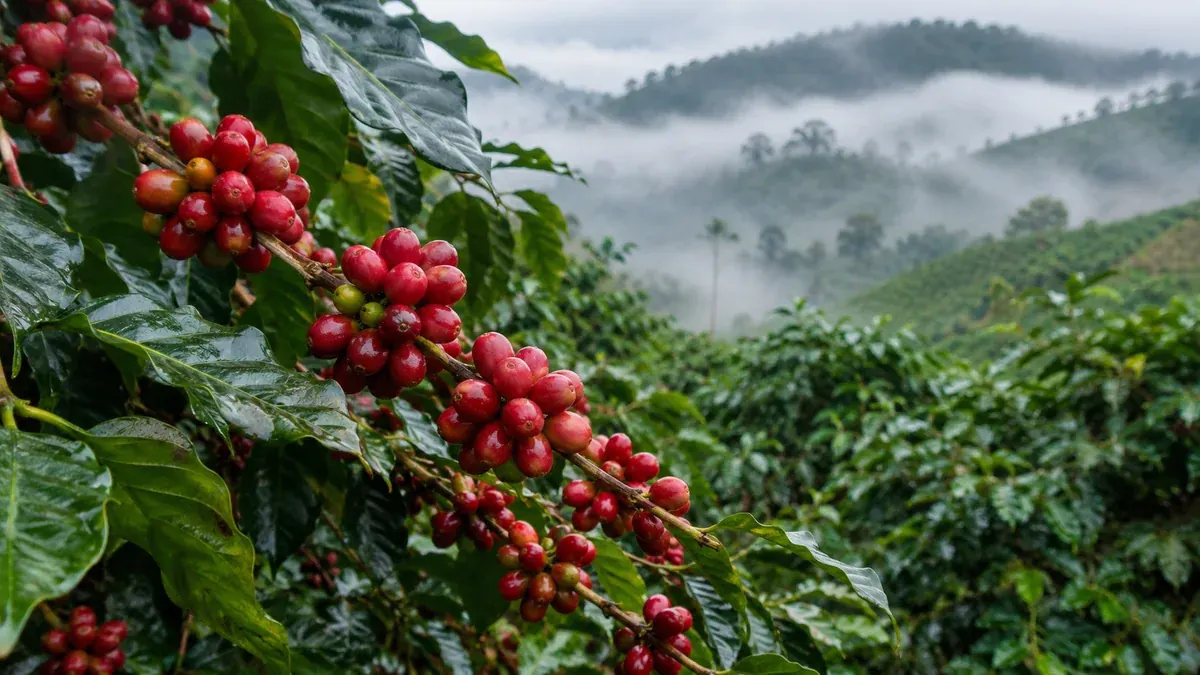
The art of coffee cultivation is a dance with nature, requiring a delicate balance of specific conditions to yield those coveted high-quality beans. Each variety—Arabica and Robusta—has its own whims: Arabica craves the cool embrace of higher elevations, while Robusta flourishes in the sweltering humidity of lower altitudes. Ah, but it’s not just about temperature; the soil sings a vital tune too! Those well-drained, nutrient-dense soils are essential for nurturing robust plants that can withstand the trials of growth. Farmers often weave in practices like shade cultivation—not merely for shelter from relentless sunlight—but to orchestrate an ecosystem where life thrives.
Diving deeper into this world reveals stark contrasts in agricultural techniques across regions and coffee types. In many corners of the globe, age-old traditions persist—like hand-picking—that safeguard the essence and quality of each harvest as if they were treasures unearthed by skilled artisans. Yet, amid these venerable methods, modern innovations are making their mark: drip irrigation systems bubbling forth efficiency alongside organic farming principles that elevate productivity without sacrificing integrity. And then there’s sustainability—a rising tide among farmers who champion eco-friendly tactics aimed at fostering biodiversity while keeping chemical inputs at bay. The ripple effects touch not only the flavor profiles swirling in your cup but also ensure that coffee farming steps lightly on our planet's fragile tapestry.
Growing Conditions and Agricultural Techniques
The successful cultivation of coffee plants hinges on a medley of factors—altitude, temperature, and soil quality play pivotal roles. Take Arabica coffee, for instance: it flourishes at lofty elevations, relishing the cooler climes where temperatures hover between 60 to 70 degrees Fahrenheit. This very environment encourages a leisurely maturation of the beans, resulting in an intricate flavor profile that dances on the palate. In contrast, Robusta coffee prefers to hang out at lower altitudes and bask in warmer temperatures; it thrives marvelously in regions awash with humidity. Regardless of type, both varieties crave well-draining soils brimming with organic matter for optimal growth and bountiful yield.
Farmers are anything but idle; they employ a variety of agricultural techniques aimed at boosting productivity while championing sustainability in their coffee endeavors. Consider shade-grown methods—where coffee trees sway gently beneath larger canopy trees—not only do these practices bolster biodiversity but they also nurture soil health like nothing else can. Moreover, innovative approaches such as drip irrigation and precision fertilization gain traction as ways to wring every last drop from resources efficiently. Integrated pest management emerges as a hero here too; it cuts down chemical use while safeguarding crop vitality. These diverse cultivation practices not only enhance the overall quality of our beloved coffee but also weave environmental stewardship into the fabric of life in coffee-growing regions everywhere.
Conclusion
Diving into the caffeine content variations between Arabica and Robusta coffee beans reveals a fascinating tapestry of experiences that each offers. Coffee aficionados often gravitate towards Arabica, renowned for its silky smoothness, gentle bitterness, and delightful sweetness that dances on the palate. On the flip side, we have Robusta—a bold contender prized for its punchy flavor profile and elevated caffeine kick that can jolt even the sleepiest of souls awake. Grasping these subtle distinctions empowers consumers to make savvy choices while shaping preferences across diverse coffee landscapes.
But wait—there's more! The economic implications tied to both Arabica and Robusta stretch far beyond simple taste inclinations. A glance at global production trends unveils a lively marketplace where cultivation practices are in constant flux, adapting to an ever-evolving consumer appetite. Farmers and producers find themselves in a dance with climate variability, maneuvering through international trade hurdles—all while striving to ensure that both coffee varieties thrive amidst fierce competition in this bustling arena.
FAQs
What are the main differences in taste between Arabica and Robusta coffee?
Ah, the dance of flavors! Arabica coffee unfurls its smooth, intricate tapestry of tastes—think sweet whispers intertwined with a zesty acidity. In stark contrast, Robusta marches to a bolder beat, delivering a robust punch that leans toward bitterness, laced with earthy undertones and nutty nuances.
How does the caffeine content compare between Arabica and Robusta coffee?
Here’s where it gets interesting! Robusta packs quite the caffeinated wallop—roughly double that of its Arabica counterpart. This elevated caffeine level not only intensifies its flavor but also amplifies those jittery effects we sometimes seek!
What is the economic significance of Arabica coffee in the global market?
Now let’s talk dollars and cents! In the grand theater of commerce, Arabica takes center stage as a prized performer; valued for its superior quality and captivating flavor profile. It accounts for approximately 60-70% of global coffee production—a staggering figure that underscores its monumental economic importance.
What are the key cultivation practices for Arabica and Robusta coffee?
Cultivating these two beans is like tending to different worlds. Arabica thrives at lofty altitudes, relishing cooler climates with precise growing conditions—a bit finicky if you will! On the flip side stands Robusta—a resilient warrior that flourishes at lower elevations while wielding an impressive resistance to pests and diseases.
How do global production trends differ between Arabica and Robusta coffee?
The plot thickens here! As climate shifts whisper through agricultural fields, Arabic's growth stumbles along slowly—it’s sensitive nature making it vulnerable. Meanwhile, enter our steadfast hero—Robusta—which glides ahead with increasing production rates thanks to its hardiness and cost-effective cultivation methods. This divergence sends ripples throughout market dynamics and commercial strategies alike!