
Key Takeaways
- Techniques for organizing dry goods effectively
- Best practices for preserving produce freshness
- Benefits of using vacuum sealing for longevity
- Insights into interpreting food shelf-life labels
Pantry Storage Strategies
Revamping your pantry can transform your culinary escapades in remarkable ways! Begin by clustering like items together—canned goods, spices, dry grains—they each deserve their own cozy corner. And oh, the joy of labeling shelves or containers! It’s a time-saver when you're racing against the clock and an absolute delight to behold everything neatly aligned. Keep those go-to ingredients right at eye level; no one wants to dig through mountains of jars just to snag that box of pasta!
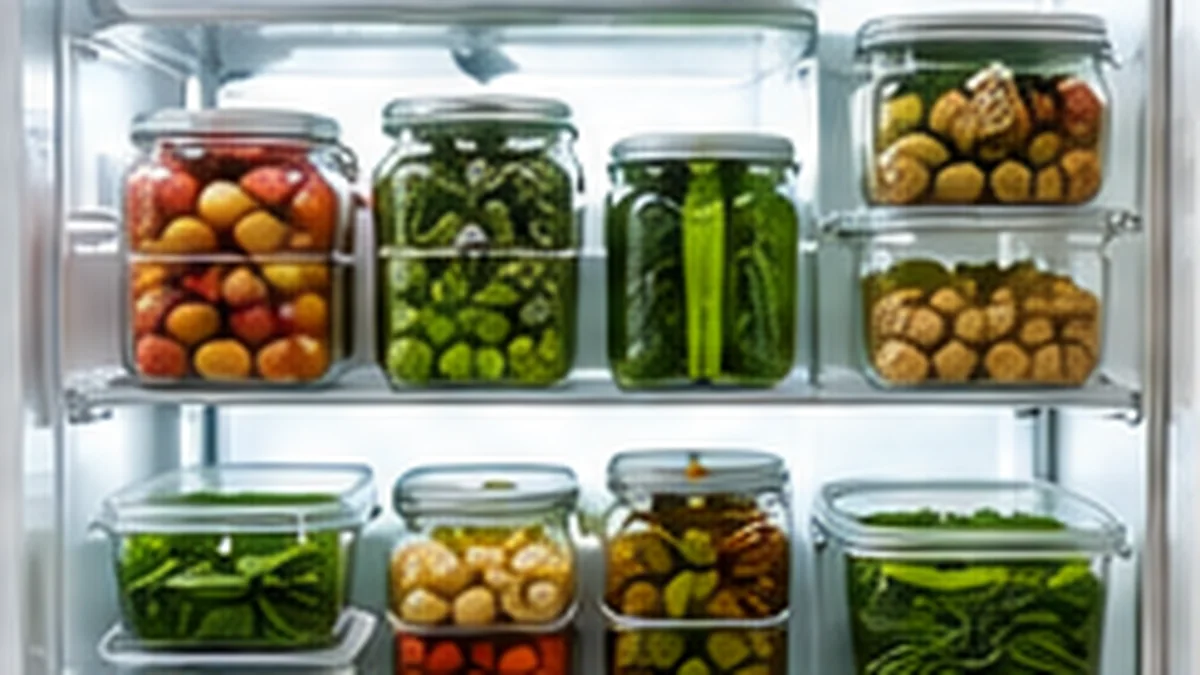
Now, here’s a nifty little tip: opt for transparent containers for your snacks and dry goods. This clever choice allows you to quickly scan what treasures lie within. Don’t forget about stock rotation—place items with looming expiration dates front and center! That simple act can ward off food waste while keeping your pantry feeling fresh and lively. With these savvy strategies in play, navigating through your pantry morphs from a mundane task into an effortless pleasure!
Keep It Cool, Dark, and Dry
Crafting the perfect pantry—oh, it begins with a delicate dance of temperature and light! Imagine this: a cool sanctuary where your food items thrive, untouched by the clutches of spoilage. Yes, keep that thermometer hovering between 50°F and 70°F for storage nirvana. And let’s not forget about light; oh no! A darkened refuge is essential because too much brightness can sadly sap the vitality from oils and those precious sensitive ingredients we hold dear.
Now, enter moisture—the sneaky villain in our storage saga. Maintaining a parched environment is paramount to thwarting mold's advances and pesky pests looking to invade your supplies. Seal everything tight within airtight containers; it's like giving each item its own protective shield against humidity's relentless grasp. When you curate a space that boasts coolness, darkness, and dryness? Voilà! Your pantry transforms into an impenetrable fortress—a bastion for freshness, ever-ready for when inspiration strikes or hunger beckons!
| Condition | Ideal Range/Practice | Impact on Food |
|---|---|---|
| Temperature | 50°F - 70°F | Prevents spoilage and maintains freshness |
| Light | Dark | Protects sensitive ingredients from degradation |
| Moisture | Airtight storage | Reduces mold risk and deters pests |
| Container Type | Airtight containers | Preserves flavor and extends shelf life |
How to Store Fruits and Vegetables
Ah, the art of storing fruits and vegetables—an intricate dance that preserves their vibrancy and zest! Each type of produce has its own peculiarities, making it crucial to master the nuances of where to stow each delectable item. Take bananas, for example; they prefer a cool nook far from the sun’s harsh rays. Meanwhile, those leafy greens? They revel in the chilly embrace of your refrigerator's depths. And beware! The ethylene emitters like apples and avocados can hasten ripening for their unsuspecting veggie neighbors.
Now, let’s not overlook breathable bags or containers—they're vital allies in this quest! These clever inventions manage moisture levels effectively, thwarting premature mushiness. Curious about tomatoes? Keep them at room temperature; chilling these beauties tends to mute their rich flavor profile. A well-organized medley of fruits and veggies doesn’t just save you time—it elevates your culinary experience while curbing waste too! So dive into this world of storage secrets and savor every bite at its peak perfection!
Tips for Keeping Produce Fresh Longer
Keeping your fruits and veggies fresh is an art, a science—it's all about the delicate dance of storage. Picture this: certain fruits emit ethylene gas, that sneaky little molecule that accelerates ripening. Apples and bananas? They’re like troublemakers in the crisper drawer! When they mingle with other produce, it’s a recipe for accelerated spoilage. So, here’s the secret: separate those ethylene producers from their more sensitive veggie companions. A dash of distance can do wonders in preserving that vibrant look and delightful taste.
But wait—there's more! Elevate your game by investing in breathable storage solutions. Ditch those plastic bags; instead, embrace mesh bags or ventilated produce containers that allow for airflow to work its magic. This clever choice ensures optimal humidity while warding off pesky moisture buildup that leads to moldy mischief. And let’s not overlook your fridge settings; keep them on the cooler side to maintain crispness in those leafy greens so they stay fresh longer!
- Store apples and bananas separately from other fruits and vegetables.
- Use breathable mesh bags or ventilated containers for storage.
- Adjust your fridge settings to a cooler temperature for leafy greens.
- Keep produce in the crisper drawer, but categorize them wisely.
- Regularly check for spoiled items to prevent them from affecting others.
- Wash produce only before you're ready to eat them, not before storage.
- Avoid crowding your fridge to allow proper airflow around your produce.
The Role of Vacuum Sealing
Vacuum sealing—oh, what a revelation it is for preserving your culinary treasures! Picture this: by banishing air from the packaging, you're not just slowing down spoilage; you’re practically putting it on ice! This ingenious method shines brightest with foods boasting longer shelf lives—think succulent meats, rich cheeses, and those beloved dry goods. Portioning out meals becomes a breeze; leftovers transform into future feasts; and freezer-friendly delights can be stashed away without fear of the dreaded freezer burn or quality decline.
But wait—there’s more! A vacuum sealer isn’t merely about preservation; it’s also an organizational wizard's dream come true for your pantry and fridge. Imagine everything snugly sealed up—it’s like having a tidy little army of ingredients at your command, making it oh-so-simple to see what you’ve got while slashing waste in one swift motion. And let’s not forget—the beauty of vacuum-sealed items lies in their space-saving prowess, turning cluttered storage areas into efficient havens. So whether you’re gearing up for a whirlwind week of meal prep or eager to keep those vibrant farmer's market finds alive and well, reaching for that trusty vacuum sealer? Now that sounds like pure genius!
Benefits of Using a Vacuum Sealer
Ah, the vacuum sealer—what a marvel it is for your culinary domain! Imagine this: you banish air from those bags, creating an impenetrable fortress around your food. This simple act prevents that dreaded freezer burn and preserves freshness like a time capsule for taste. No longer will leftovers languish in obscurity or store-bought delights succumb to spoilage at breakneck speed; waste becomes a relic of the past. It’s not just convenience—it’s liberation during meal prep or when stashing away bulk buys, allowing you effortless access to whatever morsel you desire without the usual fuss.
But wait, there’s more! Think about the bountiful shelf life it gifts both savory creations and raw ingredients alike. Snag those vibrant veggies while they’re bursting with seasonal flavor, seal them tight, and voilà—you can relish their goodness months down the line without sacrificing one iota of flavor or nutrition. And let’s not overlook snack time: no more rummaging through crinkled mystery wrappers lurking in dark corners of your pantry! Everything is elegantly organized and primed for pick-up whenever hunger strikes.
Understanding Expiration Dates
Expiration dates can certainly throw you for a loop, especially when you come across phrases like “Best By” and “Use By.” The “Best By” date usually hints at when the product is likely to be at its prime—think peak flavor or optimal performance. But hold on! Just because that date has passed doesn’t mean the food suddenly turns into a ticking time bomb of danger. Now, let’s pivot to the “Use By” date; this one leans heavily toward safety territory, particularly for those perishables we keep tucked away in our fridges. Eating these items past their deadline? That could raise your odds of encountering some not-so-pleasant foodborne illnesses. So yeah, better safe than sorry!
Grasping these distinctions can really elevate your shopping game and streamline your pantry management. If you're anything like most folks, you’ve got a few rogue items lurking in your cabinets well beyond their “Best By” dates. Before you go tossing everything out with reckless abandon, take a moment to inspect them first! You might just discover that many are still perfectly good to use. A little effort in deciphering these labels can empower you to cut down on waste while getting the most out of your groceries!
The Difference Between "Best By" and "Use By"
Deciphering food labels? Oh, it’s an art form that can rescue you from a fate of tossing out perfectly good goodies. The "Best By" date—ah, yes! That little whisper of culinary wisdom—signals the moment when the product struts its stuff at peak quality. But don’t be fooled! This doesn’t spell doom for your snacks after that date; rather, it suggests they might lose a smidge of their freshness or pizzazz. So why not indulge in that bag of chips just a tad longer? After all, who doesn’t love a bit of crunch?
Now let’s pivot to the other side—the "Use By" date. This one’s serious business; it's less about flavor and more about safety—it’s like a friendly warning bell ringing in your pantry! When this date rolls around, it signals time's up for safe consumption. Once you hit that milestone, it's wise to bid adieu to the item and avoid any potential health hiccups lurking in those forgotten corners. Keeping these distinctions front and center is invaluable as you navigate the labyrinth of your kitchen: what stays and what goes becomes crystal clear amidst the chaos!
Conclusion
Ah, pantry storage strategies—these nifty little tactics can transform the lifespan of your food in ways you might never have imagined! Picture this: stashing your goodies in a cool, dark, and dry nook not only preserves their freshness but also safeguards their quality. It’s astounding how a sprinkle of organization can help you keep those dollars in your pocket while slashing food waste to bits. And let’s be real; mastering the art of storing fruits and veggies? That means always having vibrant, fresh snacks ready to munch on!
Now, let’s dive into expiration dates—a true game changer for anyone serious about food safety! Grasping the subtle yet crucial distinction between "best by" and "use by" empowers you to make savvy decisions when you're navigating those grocery aisles. But wait—there's more! Embracing vacuum sealing brings another layer of sophistication to your food-preservation prowess. Armed with these essential tools, my friend, you're poised to revel in an impeccably stocked and remarkably efficient pantry that sings with potential!
FAQs
What are some clever strategies for pantry storage?
Ah, the art of pantry organization! To ensure your food remains vibrant and fresh, tuck those items away in a cool, dark, dry nook. Embrace airtight containers for grains, spices, and snacks—those pesky moisture intruders and critters won’t stand a chance!
How should I store fruits and vegetables to keep them at their peak freshness?
Here’s the secret sauce: Keep fruits and veggies apart! Some fruits like to play tricks by releasing ethylene gas that hastens the decline of innocent veggies. Use breathable bags or containers; stow them away in either the fridge or pantry based on what they are.
What is vacuum sealing all about, and why is it such a game-changer?
Vacuum sealing—it’s like giving your food an oxygen-free hug before you seal it up tight. This nifty trick extends freshness while thwarting freezer burn's destructive path, preserving flavor galore while slashing food waste down to size!
So what do expiration dates really signify?
Ah yes, “Best By” dates whisper sweet nothings about when products will shine brightest in quality; meanwhile “Use By” dates serve as gentle reminders for optimal consumption timing. Fear not—the world beyond "Best By" can still be safe if stored with care.
Any nuggets of wisdom for prolonging my food's lifespan?
Absolutely! Keep those storage spaces cool, dark, dry—an oasis for longevity. Regularly scout out expired goods lurking around; seal things up tightly with airtight containers or vacuum seals for long-term love. And don’t forget to rotate older treasures to the front so they get their well-deserved spotlight before fading into obscurity!