
Key Takeaways
- Combining pest control techniques enhances crop health and reduces chemical use.
- Efficient water use methods are crucial for sustainable agriculture.
- Natural cultivation methods promote soil vitality and reduce reliance on synthetic inputs.
- Developing crop types that withstand climate changes ensures food security.
- Engaging local populations in agricultural practices fosters community support and knowledge sharing.
Integrated Pest Management
At the heart of thriving agriculture lies a pivotal principle: the adept management of pests through Integrated Pest Management (IPM). This multifaceted approach weaves together an array of strategies—think biological control, clever habitat manipulation, and resilient crop varieties—to curtail pest populations while simultaneously dialing down dependency on chemical pesticides. By embracing IPM, farmers cultivate a harmonious ecosystem that champions beneficial organisms, paving the way for robust crop health and bolstering defenses against pest invasions.
Proactive monitoring is absolutely vital within this IPM tapestry. Frequent evaluations grant farmers insight into the shifting tides of pest infestations, empowering them to spring into action with precision when duty calls. Striking a balance between effective measures and environmental integrity becomes paramount; it's not just about guarding crops but also about shielding non-target species and nurturing biodiversity in the process. The pivot towards IPM has yielded promising outcomes, championing sustainable agricultural practices while ensuring economic resilience for those who toil in the fields.
Reducing Chemical Use While Ensuring Crop Protection
Embracing integrated pest management (IPM) strategies can drastically cut down the dependence on chemical pesticides while still ensuring robust protection for crops. a harmonious blend of biological controls, innovative cultural practices, and judicious chemical applications weaving together to form an ecosystem that curbs pest populations with finesse. This all-encompassing approach not only shields crops from relentless pests but also nurtures the vital beneficial organisms in our fields—ultimately paving the way for sustainable farming methods that flourish.
Increasingly, farmers are turning to sophisticated monitoring techniques, which empower them to pinpoint those critical pest thresholds with precision. By catching early signs of pest activity, they can sidestep unnecessary pesticide sprays and unleash interventions precisely when required. Moreover, by equipping farmers with knowledge about alternative pest management tactics, we cultivate an atmosphere ripe for sustainability—a setting where healthier crops emerge and agricultural landscapes boast diminished chemical footprints.
Water Conservation Strategies
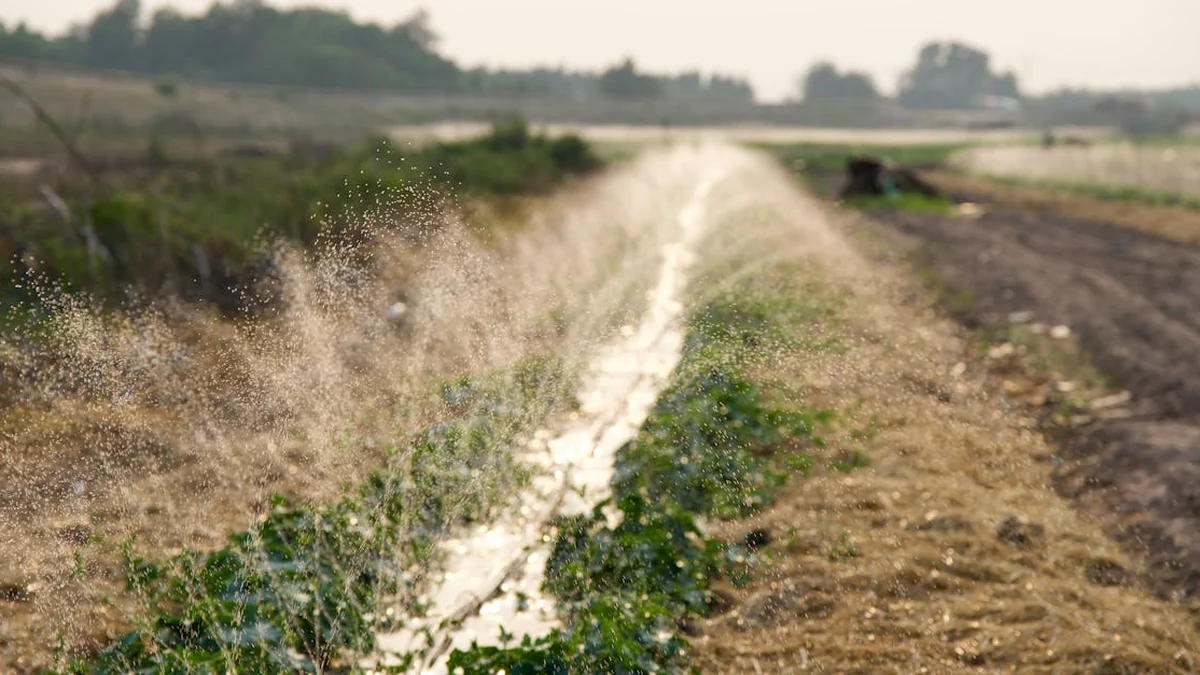
Water—that precious elixir. In the realm of sustainable agriculture, its efficient usage stands as a cornerstone, an undeniable key to thriving ecosystems. techniques like drip irrigation and rainwater harvesting swoop in with superhero efficiency to dramatically slash water consumption while catapulting crop yields into the stratosphere. By channeling moisture directly to plant roots, these methods deftly sidestep evaporation and runoff—a clever dance of resource management.
But wait—there's more. Enter soil moisture sensors—the unsung heroes of precision irrigation. These nifty devices ensure that water flows only when absolutely necessary, transforming haphazard watering into a symphony of exactitude.
Now let’s pivot our gaze toward crop selection—a crucial player in the grand saga of water conservation strategies. Imagine drought-resistant varieties flourishing against all odds in arid landscapes; they demand far less moisture than their thirstier counterparts, effectively lightening agriculture's overall hydration load. And don’t overlook cover crops—they’re not just pretty faces. They work tirelessly beneath the surface, preventing erosion and nurturing robust soil structure while keeping moisture locked in.
Together, these proactive measures weave a tapestry of resilience within our agricultural systems—one that preserves vital water resources for generations yet unborn. The future beckons us to cultivate wisdom alongside our crops.
Techniques to Optimize Water Usage in Agriculture
Crafting irrigation systems that truly optimize water usage in agriculture isn’t just important—it’s essential. drip irrigation, a marvel of modern techniques, delivers precious water straight to the roots of plants, deftly sidestepping evaporation and runoff like a skilled dancer avoiding puddles. There’s more—scheduling those watering sessions during off-peak hours is another clever trick that slashes losses caused by evaporation.
And let’s not forget the magic of soil moisture sensors. These nifty devices empower farmers to keep an eye on water levels, ensuring they irrigate only when absolutely necessary—because every drop counts. It’s all about conserving this invaluable resource while nurturing robust crop growth along the way.
Now, we can’t overlook crop selection; it wields significant influence over how efficiently we use our water resources too. By opting for drought-resistant varieties, farmers can drastically cut down on their water needs without sacrificing yield stability—a win-win situation. And what about rotational grazing? This strategy doesn’t merely benefit livestock; it also revitalizes soil health and boosts its capacity to hold onto moisture.
When you weave together rainwater harvesting with these thoughtful practices, you create an agricultural tapestry that champions sustainability while tackling challenges related to both water conservation and productivity. It’s a holistic approach where innovation meets tradition—a true testament to smart farming in today’s world.
| Technique | Description | Benefits |
|---|---|---|
| Drip Irrigation | Delivers water directly to plant roots, reducing evaporation and runoff. | Maximizes water efficiency and promotes healthy growth. |
| Soil Moisture Sensors | Monitors soil water levels to determine optimal irrigation times. | Reduces unnecessary watering, conserving water resources. |
| Drought-Resistant Crops | Selects varieties that require less water without compromising yield. | Minimizes water consumption while maintaining crop productivity. |
| Rotational Grazing | Involves moving livestock between pastures to promote soil health. | Enhances soil moisture retention and improves pasture quality. |
| Rainwater Harvesting | Collects and stores rainwater for irrigation use. | Provides an alternative water source, reducing reliance on groundwater. |
Organic Farming Practices
Sustainable agricultural practices have recently burst onto the scene, capturing widespread interest for their pivotal role in nurturing environmental health. farmers embracing organic methods that allow them to grow crops without succumbing to the lure of synthetic pesticides and fertilizers. These techniques zero in on enhancing soil quality while deftly maintaining a delicate ecological balance. The end result? Healthier food products that champion biodiversity.
Organic farmers wield an arsenal of strategies—crop rotation, cover cropping, natural pest control—all designed to bolster resilience within their farming systems while dialing down negative impacts on our precious environment. It’s like crafting a symphony where every note contributes harmoniously to nature's orchestra.
But wait, there’s more. Transitioning to organic farming isn’t just a win for individual farms; it cascades benefits far and wide. When soil health improves, water retention skyrockets—a boon that diminishes irrigation needs and bolsters conservation efforts across the board. Plus, as consumers awaken to the allure of chemical-free options, we witness an exhilarating surge in demand for organic produce. This shift doesn’t merely tickle consumer fancies; it invigorates local economies and inspires healthier eating habits—a delightful cycle that ultimately uplifts both farmers and communities alike.
Benefits of Going Chemical-Free
The shift toward organic farming practices unveils a tapestry of benefits, weaving together the threads of environmental integrity and human well-being. As farmers cast aside chemical fertilizers and pesticides, they embark on a journey to rejuvenate soil health while nurturing biodiversity in ways that echo throughout the ecosystem. This embrace of a chemical-free ethos not only bolsters the natural order but also invites an army of beneficial insects into the fray, paving the way for ingenious pest control solutions that enhance agricultural stability. And oh, how healthier soil yields crops bursting with nutrients. These bountiful harvests elevate food quality for consumers, who find themselves savoring nature’s true essence.
Moreover, this transition to chemical-free agriculture doesn't just resonate with ecological principles; it strikes a chord in today’s market symphony as well. Conscious consumers are awakening to the profound implications their food choices carry for personal health—sparking an undeniable preference for organic produce over conventional options. Farmers who bravely adopt these sustainable methods can effortlessly step into premium markets, where profit potential thrives alongside ethical values. Such commitment not only aligns harmoniously with consumer sensibilities but also cultivates resilience within farming communities poised to endure beyond fleeting trends.
Climate-Resilient Crop Varieties
The urgent quest for climate-resilient crop varieties stands at the forefront of our battle against the ever-shifting whims of weather. These innovative crops, meticulously bred or astutely chosen, possess an uncanny knack for enduring extremes—be it parching droughts, relentless flooding, or wild swings in temperature. By honing in on traits like drought resistance and disease immunity, researchers are not just tinkering with plants; they’re fortifying our food security and championing agricultural sustainability amidst a backdrop of unpredictability.
For farmers who embrace these hardy varieties, there’s a beacon of hope: productivity can be sustained even when conditions turn hostile. These resilient crops demand fewer resources—a feat that translates to a diminished environmental footprint compared to conventional farming practices. With climate change relentlessly reshaping global agriculture's landscape, prioritizing the development and dissemination of such robust varieties isn't merely important; it's absolutely vital for safeguarding livelihoods and nurturing agricultural systems capable of withstanding the storms ahead.
Developing Crops for Changing Weather Patterns
The agricultural landscape is a canvas painted with the ever-shifting hues of climate change. As weather patterns twist and turn—bringing droughts that suck the life from soil, floods that drown seedlings, and temperature swings that baffle even seasoned farmers—the need for breeding climate-resilient crop varieties becomes not just important but imperative. Imagine crops infused with traits tailored to endure these harsh realities; researchers are on a quest to create not just survivors but champions thriving in conditions once deemed inhospitable. This forward-thinking approach acts as a shield against the capriciousness of our planet's moods while safeguarding food security for an increasingly hungry world.
Enter innovative research methodologies. Genetic modification dances hand-in-hand with traditional breeding techniques, forging new pathways toward resilience. Scientists delve into traits like drought resistance, pest tolerance, disease immunity, and enhanced nutrient efficiency—each discovery akin to finding hidden treasure in a vast field of potential. The magic happens when collaboration blooms between research institutions, agricultural organizations, and local farmers—a triad working together to hasten the arrival of these robust crop varieties. In this dynamic interplay lies the promise of crafting an agricultural system resilient enough to brave the tempestuous nature of today’s climatic upheavals.
- Research into climate-resilient crops prioritizes traits like drought resistance and pest tolerance.
- Genetic modification and traditional breeding methods are combined to enhance crop resilience.
- Collaboration between research institutions, agricultural organizations, and farmers accelerates the development of new crop varieties.
- Continuous monitoring of climate patterns helps inform breeding strategies and improve crop adaptability.
- Investment in agricultural technology and infrastructure is critical to support resilient agriculture systems.
- Education and training for farmers on new crop varieties can enhance adoption and improve yields.
- Long-term studies are essential to evaluate the performance of new crops under varying climate conditions.
Community Involvement in Farming
When local communities dive into farming initiatives, something magical happens—a spark of ownership flickers to life, igniting collaboration among residents. vibrant community gardens sprouting up, cooperative farming blossoming like wildflowers, and educational workshops buzzing with eager minds. It’s not just about tilling the soil; it’s about cultivating skills and knowledge while nurturing the very essence of sustainability in our agricultural systems. This shared journey cultivates a profound awareness of where our food comes from—fueling healthier eating habits that ripple throughout the community.
Now imagine this dynamic interplay between local farmers and their neighbors—it opens doors to innovative practices that can supercharge agricultural productivity. Think farmer's markets bustling with fresh produce or enticing farm-to-table programs weaving together producers and consumers in a tapestry of direct communication. Here lies an opportunity for dialogue about how food is grown—empowering consumers to make choices steeped in understanding. As these partnerships flourish, they breed loyalty among customers and fortify a resilient local economy, creating benefits that resonate through both fields and neighborhoods alike.
Conclusion
Sustainable agricultural practices present a multifaceted solution to the myriad challenges besieging modern farming. Imagine this: by weaving together integrated pest management techniques with clever water conservation strategies, farmers can not only amplify their crop yields but also tread lightly upon the Earth. The embrace of organic farming is like a breath of fresh air—it champions health benefits for consumers while simultaneously rejuvenating the soil and nurturing ecosystems in ways that are both profound and essential.
And let’s not overlook climate-resilient crop varieties. These innovations stand as bulwarks against the capriciousness of shifting weather patterns, securing food stability for generations yet unborn.
But wait—there's more. Active community involvement emerges as a linchpin in advancing these sustainable practices. When local stakeholders rally together, they cultivate an environment ripe for knowledge exchange and resource sharing, crafting a robust support system for farmers navigating this complex landscape. As communities unite around eco-friendly initiatives, they fortify the very fabric of agricultural resilience. This collective pledge to curtail chemical usage doesn’t just foster a healthier habitat; it cultivates sustainable practices that reap rewards for both farmers and consumers alike—a beautiful synergy indeed.
FAQs
What exactly is integrated pest management (IPM) in the realm of contemporary agriculture?
Integrated pest management (IPM) emerges as a forward-thinking, eco-friendly strategy that weaves together an array of pest control techniques—think biological tactics, cultural practices, and even chemical interventions—to drastically cut down on those nasty pesticides while still keeping pesky pests at bay.
In what ways can modern agriculture dial back on chemical usage yet still safeguard crops?
Modern farming strides boldly into the future with an arsenal of methods like integrated pest management, crop rotation, and enlisting nature’s own allies—those natural predators—to duke it out with pests. This innovative approach curbs dependency on synthetic chemicals while ensuring that crops remain well-defended.
What are some savvy strategies for conserving water in agricultural practices?
Water conservation takes center stage with ingenious strategies like drip irrigation systems that deliver moisture precisely where needed, rainwater harvesting to capture nature's bounty, vigilant soil moisture monitoring to keep tabs on hydration levels, and selecting drought-resistant crop varieties—all working harmoniously to optimize water use and slash waste.
What perks come along with embracing organic farming techniques?
The allure of organic farming lies in its myriad benefits—it champions soil health; fosters biodiversity; cuts pollution stemming from synthetic chemicals; potentially boosts nutritional quality within crops; and contributes significantly to building a more sustainable food ecosystem.
How do they go about developing climate-resilient crop varieties?
The creation of climate-resilient crops unfolds through a blend of selective breeding brilliance, cutting-edge genetic modification wizardry, and biotechnological innovations aimed squarely at fortifying plants against the wrath of extreme weather events—droughts’ relentless grip, floods' invasion fury, or unpredictable temperature swings all stand little chance.
Why does community engagement hold such weight in today’s agricultural landscape?
Community involvement proves indispensable as it cultivates local knowledge exchange, sparks sustainable practices into action, bolsters food security efforts—and perhaps most importantly—fortifies connections between farmers and consumers. All these elements coalesce to forge agricultural systems that are not just strong but resilient.