
Key Takeaways
- Duration for Freezing Poultry
- Indicators of Spoiled Chicken
- Optimizing Freezer Capacity
- Using Vacuum Sealing for Prolonged Freshness
How Long Can You Freeze Chicken?
Ah, the frosty realm of chicken storage! It’s quite a revelation to discover that your feathered friend can endure the icy embrace of your freezer for an impressive stretch. Picture this: raw chicken, pristine and ready for culinary magic, can maintain its freshness for around nine months—yes, you heard right! Meanwhile, if you've already cooked it up into something scrumptious, it’ll hang on in there for about four to six months before losing its luster. Those timeframes? They’re your golden ticket to savoring succulent bites when the dinner bell rings.
But let’s not get carried away with just numbers; quality is paramount! Keep in mind that if you push those freezing boundaries too far, you might find the texture and taste taking a nosedive—definitely not what we want when craving that enticing flavor. So stick closely to those guidelines; they’re like a map leading you back to deliciousness. And don’t forget—a simple label with the freezing date on your packaging goes a long way in tracking how long it's been chilling out. Always ensure your chicken is snugly wrapped; it maximizes freshness and sidesteps any potential freezer faux pas. Happy cooking!
Recommended Freezer Times for Optimal Quality
When it comes to freezing chicken, oh boy, timing is the name of the game if you want to preserve that mouthwatering flavor! Generally speaking, raw chicken can hang out in your freezer for about six months before it starts to lose its luster. But wait—if you've cooked that bird? You get a little extra breathing room; it's good for around four months without any major hits to taste or texture. Just keep in mind: these timeframes are all about quality rather than safety; technically, frozen chicken could last longer—much longer—but after a certain point, let's just say it might not be as delightful on your palate.
For the best results (and let’s face it, who doesn’t want deliciousness?), labeling your chicken packages with the freeze date is pure genius. That way, you’ll always know how long they’ve been chilling out there in cold storage. And hey, if you're swimming in a sea of chicken parts and pieces? Don’t just toss them all together like an unruly pile; stack them efficiently! It helps you keep tabs on what needs using up first—the oldest stuff should definitely take priority. Keep these nuggets of wisdom close at hand and you'll be primed for scrumptious chicken meals whenever the craving strikes!
Signs That Chicken Has Gone Bad
If you ever find yourself questioning the freshness of your chicken, there are some unmistakable signs that’ll guide you. First up, take a good whiff; fresh chicken should greet your nose with a gentle aroma. But if an acrid or unpleasant odor wafts through the air, consider it a glaring red flag—time to say goodbye to that bird!
Next, let’s talk color. Fresh chicken typically shines in a lovely light pink shade. However, if you spot any gray or even green patches creeping in, don’t hesitate for a second—send that poultry packing!
And then there's texture—a vital clue in this culinary detective work! Fresh chicken should feel pleasantly moist but definitely not slimy. If it’s sticky or tacky to the touch? That’s another ominous sign waving at you from beyond the fridge door.
Oh, and packaging matters too! Keep an eye out for leaks or tears; such imperfections can jeopardize the safety of your precious protein. When it comes to poultry safety, it's always wise to err on the side of caution—better safe than sorry when dinner is at stake!
Recognizing Freezer Burn and Spoiled Meat
At first glance, your chicken might seem perfectly fine—deceptively inviting, perhaps. But wait! Take a moment to scrutinize it closely; you might just uncover the telltale signs of freezer burn lurking beneath that surface sheen. This pesky phenomenon occurs when food gets too cozy with the air in the freezer, resulting in unsightly dry patches or an off-putting whitish hue on the meat. Now, don’t panic—this doesn’t automatically spell doom for safety; however, it can wreak havoc on both texture and flavor! If those frostbitten spots are plentiful enough to catch your eye, you may want to reconsider: toss it out or reserve it for a dish where its texture won’t steal the spotlight.
Now let’s talk about spoiled meat—a true stealthy villain in your kitchen saga. It can be trickier than you'd think to identify. Often, an unusual odor wafts up like an unwelcome guest—definitely something you shouldn’t brush aside lightly! And keep an eye on color changes as well; if your chicken starts looking gray or develops a slimy coat reminiscent of something best left untouched—well, it's wise to steer clear. By being vigilant and attuned to these warning signals, you'll elevate your culinary game and ensure that every meal remains both delightful and safe!
| Issue | Signs | Actions |
|---|---|---|
| Freezer Burn | Dry patches, whitish hue | Toss it out or use in a dish where texture doesn’t matter |
| Spoiled Meat | Unusual odor, gray color, slimy texture | Dispose of immediately |
| Both Issues | Loss of flavor and texture | Always inspect meat before cooking; prioritize freshness |
Maximizing Space in Your Freezer
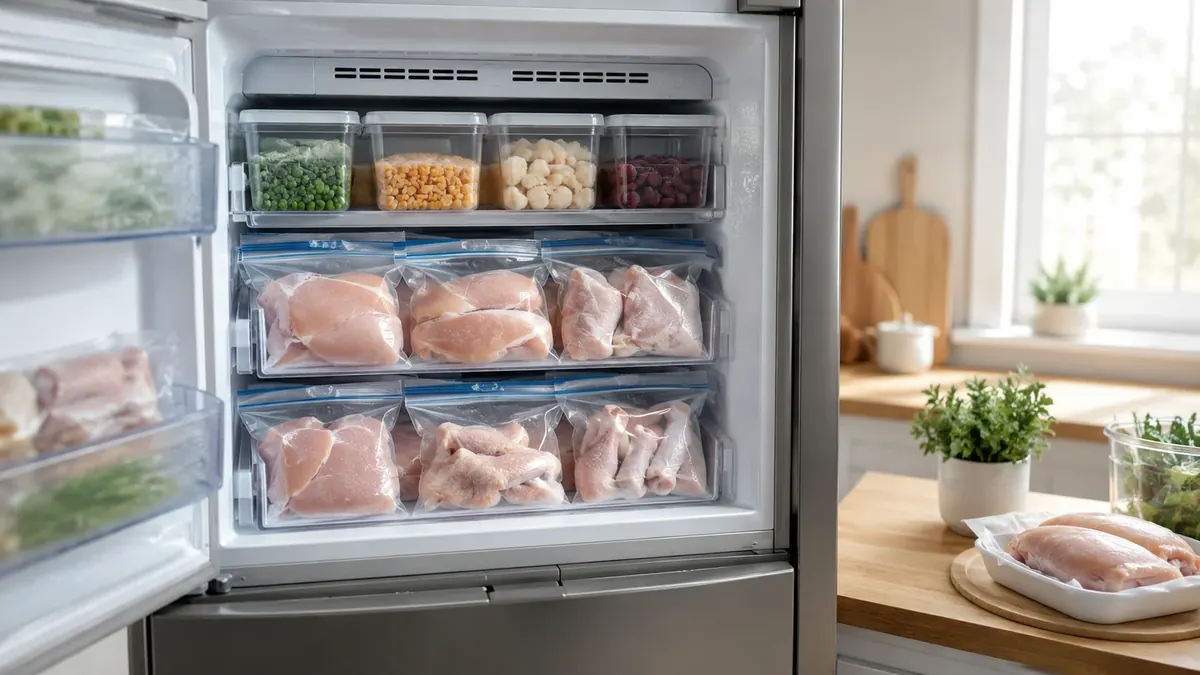
It’s all about unleashing your creativity when it comes to maximizing that freezer space! Imagine this: instead of letting everything lie flat like a pancake, why not stack those chicken pieces vertically? Yes, vertical! Use containers that are designed for easy stacking—think of them as the Tetris blocks of your freezer. And don’t forget the magic of freezer bags; they can be squished and squeezed into those pesky little nooks and crannies, taking up far less room than their bulky counterparts. Oh, and here’s a golden rule: label everything with dates! You’ll want to avoid any future treasure hunts in there!
Now, let’s talk organization. Grouping similar items together is key! If you’ve got chicken parts galore, designate one section just for them while carving out another cozy nook for ground chicken or even prepped meals waiting to dazzle your dinner plate. This way, finding what you need becomes a piece of cake—no more digging through frozen chaos! Periodically take stock of what lurks within those icy depths; keeping tabs will help you dodge overcrowding and prevent food from going to waste.
Clever Ways to Store Chicken Efficiently
Unraveling the art of efficient chicken storage can truly be a game changer, saving you precious time and slashing waste. Here’s a nifty little hack: why not portion out your chicken prior to freezing? Instead of haphazardly tossing an entire pack into the icy abyss, slice it up into manageable servings. This clever move means you thaw only what you need for each culinary adventure, eliminating those pesky leftovers that linger far too long.
But wait—there’s more! Consider using freezer-safe containers or bags as your trusty allies in this endeavor. Before sealing them tight, exhale every last bit of air; this simple act keeps your chicken fresher for an extended period and wards off dreaded freezer burn like a pro. It’s all about organization here; label those packages with dates so you know exactly what treasures await inside that chilly cavern—no more playing detective every time you raid your freezer!
- Keep your chicken on the bottom shelf of the fridge to avoid any potential drips onto other foods.
- Use a vacuum sealer for maximum freshness and to save space in your freezer.
- Marinate your chicken before freezing; it will soak up the flavors while thawing.
- If you have leftover cooked chicken, store it in airtight containers and use it within three days for best results.
- Consider cooking large batches of chicken and freezing portions for quick meals later on.
- Always check the expiration date of your chicken and use the oldest packages first.
- Store boneless chicken breast and thighs together to streamline meal prep.
Vacuum Sealing for Extended Freshness
One of the most brilliant strategies for keeping your chicken fresh for an extended period is through the artful practice of vacuum sealing. This clever method works by eliminating air from its packaging, effectively warding off that pesky freezer burn and ensuring your chicken retains its delectable flavor when it's time to hit the kitchen. Not only does vacuum sealing elongate the life span of your meat, but it also traps those tantalizing flavors and precious moisture within. Gone are the days of worrying about dry, lackluster chicken or that peculiar taste brought on by frostbite’s unwelcome embrace.
If you've ever tossed a few bags of chicken into an overstuffed freezer, you’re well aware: space can vanish in an instant! Enter vacuum sealing—your new best friend in storage solutions. These compact little packages stack effortlessly and nestle snugly against one another, making every inch count in your chilly domain. Whether you're stocking up on bulk buys or prepping meals like a culinary wizard ahead of time, opting for vacuum-sealed bags means you'll carve out ample room for all sorts of other goodies lurking in your freezer's depths. Plus, it’s not just practical; it transforms how you organize your poultry stash—everything neatly labeled and easily accessible!
Benefits of Removing Air from Packaging
Vacuum sealing chicken? Oh, it’s nothing short of revolutionary when we talk about keeping that freshness intact! Picture this: by evicting the air from its cozy little package, you’re slashing the odds of bacteria throwing a wild party and spoiling your precious meat. This technique ensures your chicken stays as delectable as the very moment you brought it home. Gone are the days of fretting over how long it's been chilling in the freezer or if it has surrendered its flavor to time.
But wait, there’s more! Vacuum-sealed chicken is a space-saver extraordinaire in your freezer realm. With all that pesky air evaporated, those packages stack up neatly without hogging valuable storage real estate. So now, you can pounce on sales galore without drowning in clutter. It’s not just a victory for your wallet; it’s also a triumph for your taste buds!
Conclusion
When it comes to stashing away chicken in the freezer, it's a delightful dance of knowledge and strategy that ensures your poultry stays fresh and scrumptious. Being attuned to those all-important freezer timelines can significantly enhance the quality of your bird. And let’s not overlook the signs that signal trouble—like dreaded freezer burn or ominous spoilage—that can turn an anticipated dinner into a culinary catastrophe.
Maximizing your chicken storage with ingenious space-saving hacks opens up valuable real estate for other frozen treasures. Oh, and let's talk about vacuum sealing—it’s nothing short of revolutionary! Keeping air at bay while preserving freshness? Yes, please! With just the right techniques in play, you’ll be savoring mouthwatering chicken meals pulled straight from the icy depths whenever cravings strike.
FAQs
How long can I freeze chicken while keeping it fresh?
Whole chickens revel in the chill for up to a year, while their cut counterparts stand strong for about 9 months—provided you store them with care.
What’s the best way to tell if my frozen chicken has gone bad?
Keep an eye out for telltale signs—a shift in color, a foul odor wafting through your freezer, or that unwelcome slimy feel. Spot any of these indicators? It’s time to bid farewell.
What is freezer burn, and how can I avoid it?
Ah, freezer burn—the villain of preservation! It strikes when air meets chicken flesh, leading to dehydration and oxidation. Guard against this foe by sealing your poultry tightly in airtight bags or vacuum-sealed containers.
What are some efficient ways to maximize space in my freezer?
Embrace the art of organization! Stackable containers are your allies; vacuum-sealing keeps things neat; sort items by type or date like a culinary curator. And don’t forget those trusty freezer-safe bags—laying chicken flat helps create more room for your frosty treasures!
Why is vacuum sealing chicken better than regular wrapping?
Vacuum sealing is akin to giving your chicken a protective armor—it banishes air and thus wards off pesky freezer burn. This method not only prolongs freshness but also maintains that delightful taste and texture we all crave.